
The Meaning of a Hero
The Reincarnated Demon King's Host Just Wants to Live in Peace, But the Hero Won't Leave Him AloneThe novel redefines heroism from obedience and self-sacrifice toward care, judgment, and the freedom to choose whom and what to protect.
increasing Bearing strength in each event
 decreasing
Bearing strength in each eventdecreasingThe Hero’s Party as a Lifeline
The Hero’s Party as a Lifeline
Protection continued after victory
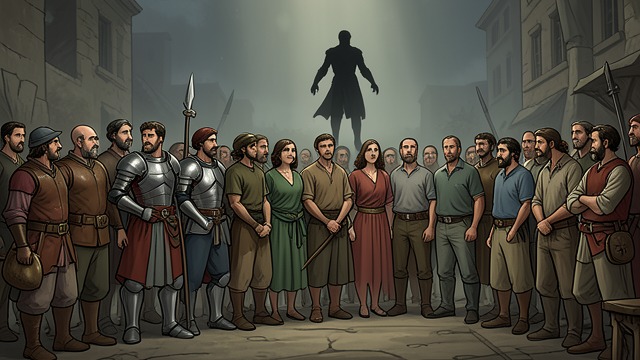
Eliza’s party and later Heroes protect Algeya from the remaining demons and their monsters. The danger is real, and the work saves ordinary people from attack.
A necessary system becomes absolute
Because the threat persists and Hero magic is rare, the kingdom treats service as compulsory. Children with exceptional abilities are trained toward dangerous roles before they can decide what they want.
The story does not deny that protection matters. It questions whether a just purpose permits a political system to claim people’s lives without consent.
The Party Protects Its Own
The Party Protects Its Own
Care becomes part of strategy
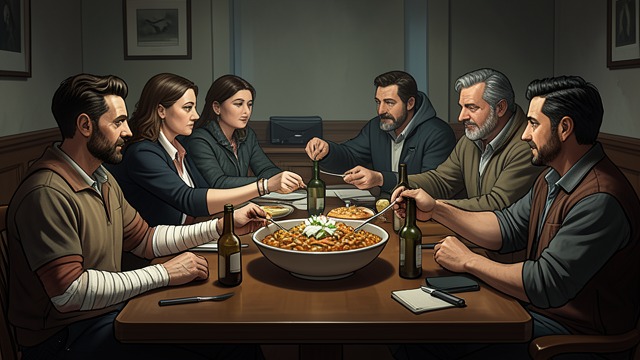
Theo insists that the companions eat, rest, and treat injuries before they become disabling. Luc and the party gradually change their habits, learning that a fighter who needs care is not a liability.
The mission’s purpose clarified
The party’s work is meant to protect people, so preserving the people doing that work is part of the mission. Their recovery after the Dire wolves and the bandits depends on mutual support rather than individual toughness alone.
The shift offers a practical definition of heroism: not a willingness to be consumed, but a commitment to keep one another capable of helping.
Luc Fights with His Heart
Luc Fights with His Heart
Emotion treated as weakness
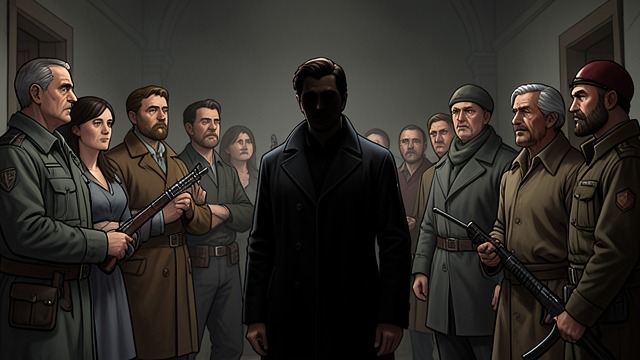
Malthios observes that Luc is unlike Eliza because he is more attached to his companions. That attachment can make him reckless, but it also gives him reasons to fight beyond the abstract mission.
A different kind of strength
When Luc doubts that he is a true Hero, Theo tells him that fighting with his heart makes him stronger. Luc’s care for the party is not a distraction from protecting Algeya; it shapes what protection means.
The story challenges the model of a Hero who must remain detached. Luc’s emotions create risks, but they also prevent him from treating people as expendable instruments.
A Hero Ends the Quest
A Hero Ends the Quest
The mission reaches its limit
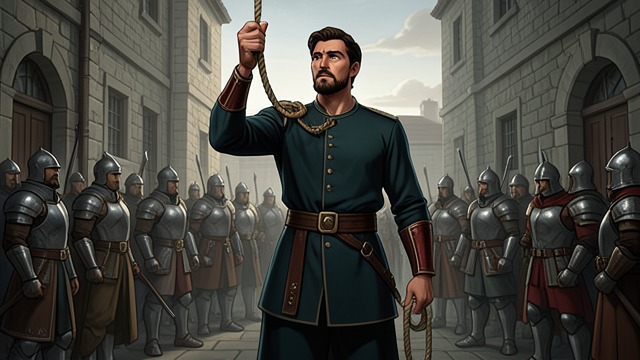
After Malthios destroys the organized demon forces, the immediate reason for a Heroic campaign changes. Luc must decide whether duty still demands Theo’s execution when the war that defined the role has ended.
A choice made in public
Luc delays the sentence and says future Heroes should be able to choose their own paths. He accepts that his decision will anger Eliza and the court.
Heroism becomes a practice of judgment rather than blind continuation. The person charged with protecting the world uses that authority to question the system that assigned him his purpose.
The Healer’s Counterexample
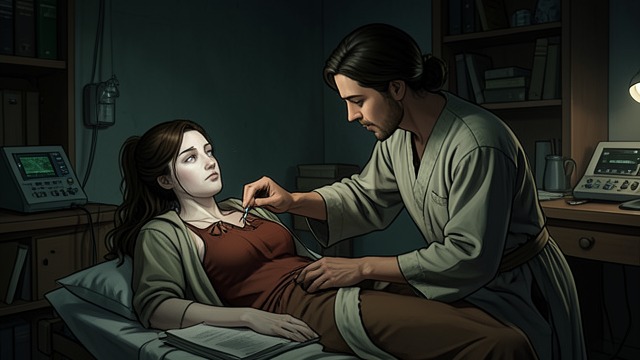
The Healer’s Counterexample
Resistance without imitation
Theo fights Eliza to defend his right to live, but he heals her when he could leave her to die. His choices do not depend on the court’s approval or on adopting the Hero’s combat role.
Duty chosen rather than imposed
Theo continues to serve as a healer because he values the work and the people it helps. His return to Leafel makes clear that he can protect others without accepting the capital’s claim over his life.
The healer offers another model of heroism: skill joined to judgment and care. Protection can be fierce, but it need not become obedience to an institution or contempt for an enemy’s life.
During the years after Eliza defeats Malthios
During the party’s travels with Theo
During the party’s journey north
At the public judgment of Theo
After Theo defeats Eliza and returns to Leafel
